How to Hire Professional Pool Installation Services
Installing a swimming pool is one of the most exciting upgrades a homeowner can make — but it is also a significant investment that requires careful planning and the right professional expertise. A well-built pool can transform your backyard into a long-term space for relaxation, entertainment, and family enjoyment. However, the success of the project depends heavily on choosing the right pool installation company.
Many homeowners underestimate the complexity involved in pool construction. Beyond excavation and installation, the process includes engineering, permits, drainage planning, equipment setup, safety compliance, and long-term efficiency considerations. Hiring experienced professional pool installation services ensures that every stage is handled correctly, reducing costly mistakes and protecting your investment for years to come.
This guide will help you understand how to evaluate pool contractors, what to look for before hiring, and how to confidently choose a company that can bring your backyard vision to life.
Why Hiring Professional Pool Installation Services Matters
A swimming pool is not a simple construction project. It involves structural engineering, plumbing systems, electrical components, filtration equipment, and precise site preparation. Choosing an inexperienced contractor or attempting shortcuts can lead to serious problems later.
Common Risks of Hiring the Wrong Contractor
When pool installation is handled improperly, homeowners may face:
- Structural cracking or shifting due to poor excavation or soil assessment
- Improper drainage causing water accumulation around the pool
- Equipment failures from incorrect installation
- Permit or code violations leading to fines or project delays
- Increased maintenance and repair costs over time
These issues often appear months or years after installation, making them expensive and difficult to correct.
Benefits of Professional Pool Installers
Professional pool builders follow proven processes designed to ensure durability, safety, and long-term performance. Key advantages include:
- Proper engineering and site evaluation
- Compliance with local building codes and safety regulations
- Efficient plumbing and filtration systems
- Accurate timelines and project management
- Manufacturer-backed warranties and workmanship guarantees
Experienced installers also help homeowners make informed decisions about pool types, materials, and features based on property conditions and lifestyle needs.
Step 1: Define Your Pool Goals and Budget
Before contacting pool installation companies, homeowners should first clarify their goals. Having a clear vision helps contractors recommend suitable designs and provide accurate estimates.
Identify the Purpose of Your Pool
Different goals influence the type and design of pool you should consider:
- Family recreation and relaxation
- Fitness and swimming exercise
- Entertaining guests and outdoor gatherings
- Luxury backyard enhancement
Understanding how you plan to use the pool will guide decisions about size, depth, features, and layout.
Consider Space and Property Conditions
Your backyard layout plays a major role in design feasibility. Factors include:
- Available yard space
- Sun exposure and landscaping
- Property slope and drainage conditions
- Access for construction equipment
A professional installer will evaluate these elements during the consultation phase, but having a preliminary understanding helps streamline planning.
Establish a Realistic Budget
Pool costs vary depending on design complexity, materials, and additional features. A complete budget should account for:
- Construction and installation
- Decking and landscaping
- Equipment and automation systems
- Safety features
- Ongoing maintenance costs
Planning for long-term ownership expenses prevents surprises after installation.
Common Pool Types to Consider
Professional installers typically offer multiple construction options:
- Vinyl liner pools – Cost-effective, customizable, and quicker to install
- Gunite pools – Highly durable and fully customizable for luxury designs
- Custom-designed pools – Tailored layouts that match specific backyard visions
Each option has advantages depending on budget, timeline, and aesthetic goals.
Step 2: Look for Local Experience and Reputation
One of the most important factors when hiring professional pool installation services is choosing a contractor with strong local experience. Pool construction is heavily influenced by regional conditions, and companies familiar with the area can prevent issues that less experienced builders may overlook.
Why Local Expertise Matters
Experienced local contractors understand:
- Soil composition and excavation challenges
- Seasonal construction timelines
- Freeze–thaw cycles and climate effects
- Local permitting requirements and inspections
This knowledge helps ensure smoother project execution and fewer unexpected delays.
Evaluate Reputation and Track Record
Before hiring a pool builder, homeowners should research their reputation carefully. Look for:
- Verified customer reviews and testimonials
- Years of operation in the local community
- Consistent service history
- Completed project galleries showcasing real installations
Companies with a long-standing presence in the region typically demonstrate reliability and accountability because their reputation depends on local customer satisfaction.
A strong portfolio also allows homeowners to visualize design possibilities and assess construction quality firsthand.
Step 3: Verify Licensing, Insurance, and Certifications
Professional credibility goes beyond marketing claims. A reputable pool installation company should meet all legal and industry requirements necessary to protect homeowners and workers during construction.
Essential Credentials to Confirm
Before signing any agreement, verify that the contractor has:
- Proper business licensing
- Liability insurance coverage
- Worker’s compensation insurance
- Required local construction permits
These protections safeguard homeowners from financial responsibility in case of accidents, property damage, or construction issues.
Why Certifications Matter
Many professional pool builders maintain certifications from manufacturers or industry organizations. These credentials indicate specialized training and adherence to industry best practices.
Certified installers are also more likely to provide valid equipment warranties, ensuring long-term support if problems arise.
Step 4: Review the Company’s Design and Construction Process
A professional pool installation company should offer a clear, structured process from initial consultation to final completion. Transparency at this stage is often a strong indicator of project reliability.
What a Professional Installation Process Should Include
1. Initial Consultation
Discussion of goals, budget, and design preferences.
2. Site Evaluation
Inspection of property layout, soil conditions, and accessibility.
3. Custom Design Planning
Development of pool layout, features, and material recommendations.
4. Permits and Approvals
Handling local regulations and required documentation.
5. Construction Phase
Excavation, structural installation, plumbing, electrical work, and finishing.
6. Final Inspection and Walkthrough
Testing systems and educating homeowners on operation and maintenance.
A clearly defined process ensures homeowners understand timelines, expectations, and responsibilities throughout the project.
Step 5: Ask About Materials and Equipment Quality
The quality of materials and equipment used during installation plays a major role in how long your pool lasts and how much maintenance it will require over time. A professional pool installation company should clearly explain the products they use and why they recommend them.
Structural Materials Matter
Different construction materials directly affect durability and long-term performance:
- Pool structure — Proper reinforcement and construction techniques prevent shifting, cracking, or leaks.
- Liners and finishes — High-quality liners and interior finishes improve longevity and appearance.
- Decking materials — Slip-resistant and weather-resistant surfaces enhance safety and durability.
Investing in better materials upfront typically reduces repair costs and extends the lifespan of the pool.
Modern Equipment Improves Efficiency
Professional installers should also offer energy-efficient and modern equipment options, such as:
- Variable-speed pumps that reduce energy consumption
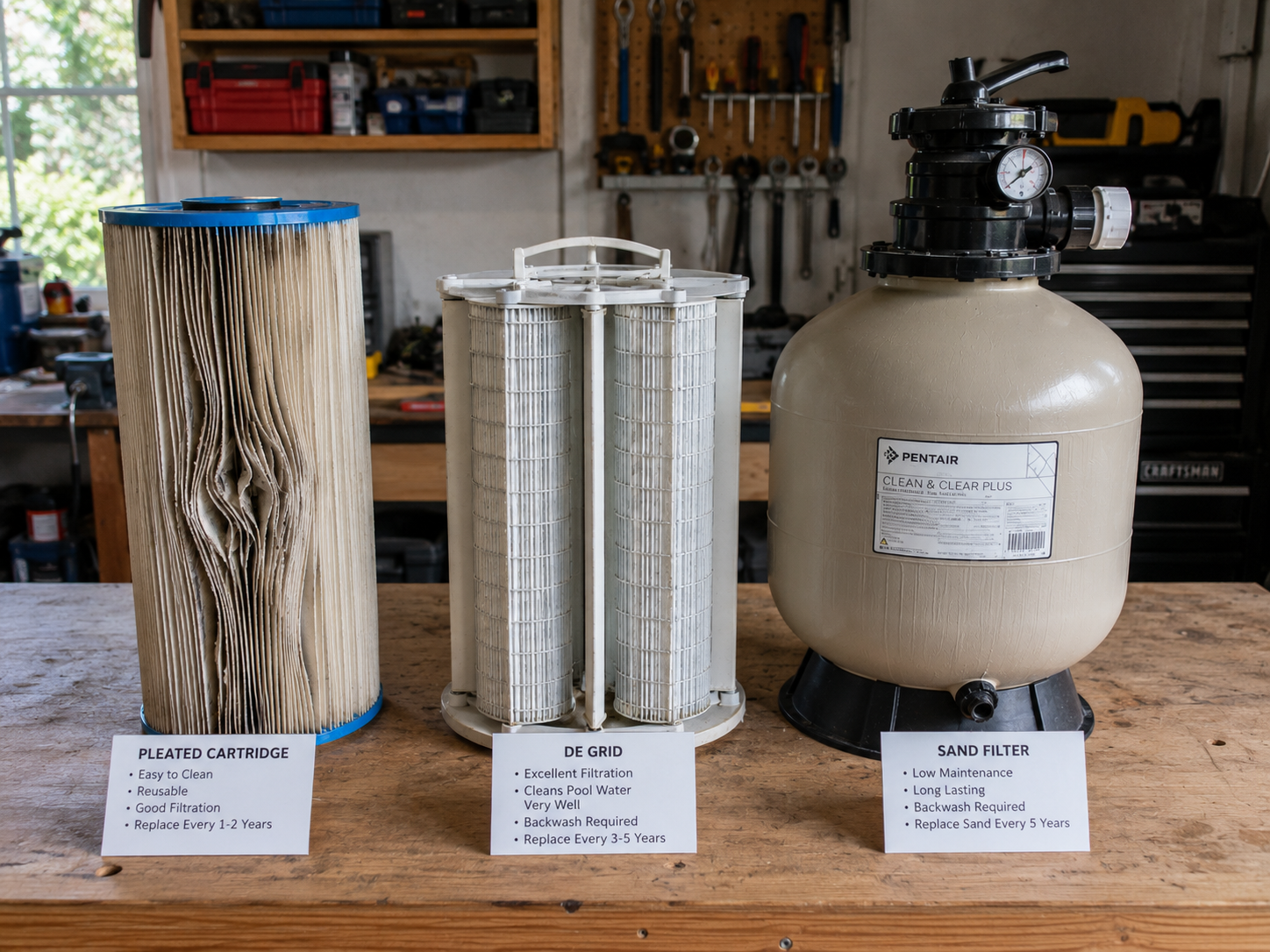
- Advanced filtration systems for cleaner water
- Automated controls for lighting, temperature, and cleaning
- Efficient heating systems for extended swimming seasons
High-quality equipment not only improves performance but also lowers monthly operating costs.
Step 6: Evaluate Full-Service Capabilities
Many homeowners focus only on installation, but long-term ownership requires ongoing support. Choosing a company that offers comprehensive services can simplify pool ownership and ensure consistent care.
Why Full-Service Providers Offer Better Value
A company that handles both construction and maintenance understands your pool system from the beginning. This leads to faster service, accurate diagnostics, and better long-term results.
Look for companies that provide:
- Seasonal pool opening and closing
- Routine cleaning and maintenance
- Equipment inspections and repairs
- Renovations and upgrades
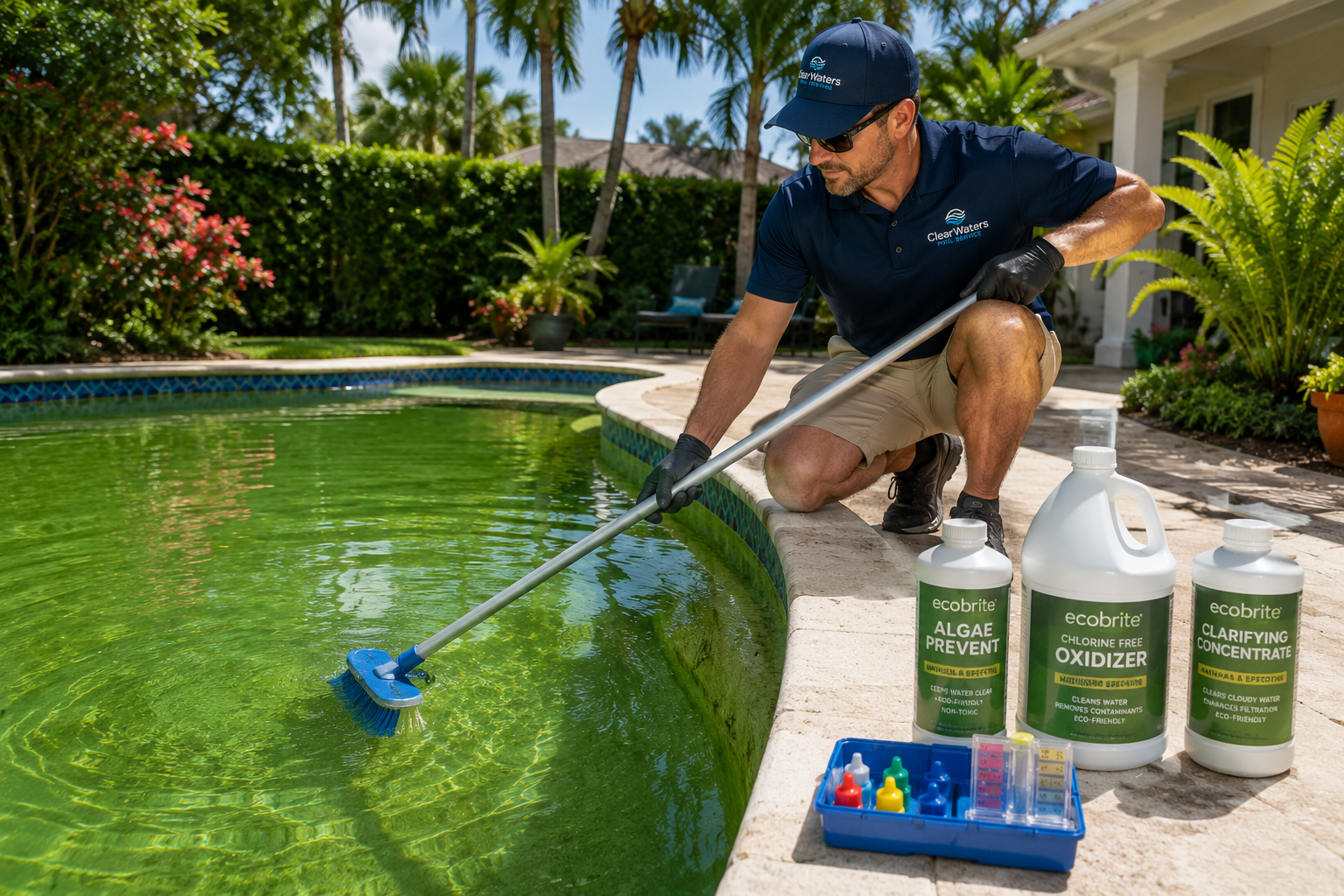
- Water testing and chemical guidance
Working with a single trusted provider eliminates the need to coordinate with multiple contractors later.
Step 7: Compare Quotes the Right Way
When reviewing proposals, many homeowners naturally gravitate toward the lowest price. However, pool installation estimates can vary significantly based on what is included — and cheaper quotes often exclude essential components.
What to Compare Beyond Price
A detailed quote should clearly outline:
- Scope of work and construction stages
- Materials and equipment included
- Permit handling and inspections
- Project timeline
- Warranty coverage
- Post-installation support
A higher initial investment may provide better materials, stronger warranties, and fewer long-term expenses.
Watch for Red Flags
Be cautious if a contractor:
- Provides vague or incomplete estimates
- Cannot explain pricing details
- Avoids discussing permits or insurance
- Promises unusually fast completion times
Transparent communication is typically a strong indicator of professionalism.
Step 8: Ask the Right Questions Before Hiring
Asking the right questions helps homeowners evaluate experience, reliability, and service quality before committing to a contractor.
Consider asking:
- How many years have you been installing pools locally?
- What types of pools do you specialize in?
- Can you provide examples of recent projects?
- Who manages permits and inspections?
- What warranties are included with installation and equipment?
- Do you offer ongoing maintenance services?
- What is the expected project timeline?
Professional companies will welcome these questions and provide clear, confident answers.
Signs You’ve Found the Right Pool Installation Company
After researching and comparing options, certain indicators suggest you’ve found a trustworthy contractor:
- Clear and transparent communication
- Detailed written proposals
- Strong local reviews and testimonials
- Proven experience with similar projects
- A structured installation process
- Ongoing service and support options
The right company focuses not only on building a pool but also on creating a long-term customer relationship.
Why Hudson Valley Homeowners Choose Experienced Pool Builders
Homeowners benefit most from working with established local professionals who understand regional conditions and customer needs. Experienced pool builders bring practical knowledge gained from decades of installations, helping prevent common construction challenges related to climate, soil, and seasonal changes.
Companies with deep local roots also provide advantages such as:
- Personalized consultations tailored to homeowner goals
- Custom pool construction designed for local properties
- Reliable timelines based on regional construction experience
- Year-round support for maintenance and service needs
Choosing an experienced, locally trusted installer helps ensure your pool remains a valuable and enjoyable feature of your home for many years.
Conclusion: Make a Confident and Informed Hiring Decision
Hiring professional pool installation services is one of the most important decisions in your backyard transformation journey. The right contractor will guide you through design, construction, and long-term care while protecting your investment at every stage.
By defining your goals, verifying credentials, evaluating experience, and comparing proposals carefully, you can confidently select a pool installation company that delivers quality craftsmanship and dependable service.
A well-planned installation not only enhances your outdoor space but also provides lasting enjoyment, improved property value, and peace of mind for years to come. Scheduling a professional consultation is the best first step toward turning your backyard vision into reality.
Frequently Asked Questions (FAQs)
How long does professional pool installation take?
The timeline varies depending on pool type, design complexity, permits, and weather conditions. On average, installation can take anywhere from several weeks to a few months from design approval to completion.
What is the difference between vinyl and gunite pools?
Vinyl liner pools are generally more cost-effective and quicker to install, while gunite pools offer greater customization and long-term durability. A professional installer can recommend the best option based on your budget and property.
Do pool installation companies handle permits?
Most professional pool contractors manage permits, inspections, and compliance with local building codes as part of their service. Always confirm this during the consultation process.
How much maintenance does a new pool require?
Regular maintenance includes cleaning, balancing water chemistry, equipment checks, and seasonal opening or closing. Many homeowners choose professional maintenance services to keep their pool safe and operating efficiently.
When is the best time to hire a pool installer?
Planning several months in advance is recommended, especially before peak construction seasons. Early scheduling helps secure preferred installation timelines and allows adequate time for design and permitting.
Can a pool builder service a pool they didn’t install?
Yes, many professional companies provide maintenance and repair services for pools regardless of who originally built them. This is especially helpful for homeowners purchasing properties with existing pools.