Complete Pool Installation Solutions from Design to Final Build
A Seamless Approach to Pool Installation
Installing a swimming pool is far more than a construction project — it is a carefully coordinated process that combines design planning, engineering, permitting, and skilled craftsmanship. Homeowners often discover that managing multiple contractors for each stage can lead to delays, miscommunication, and unexpected costs. That is why complete pool installation solutions, handled by a single experienced team from concept to completion, provide a smoother and more reliable experience.
A design-to-build approach ensures that every phase of the project works together seamlessly. From the first consultation to the final walkthrough, professionals oversee planning, construction, and system setup, helping homeowners avoid common mistakes while ensuring quality results. This comprehensive process not only simplifies decision-making but also creates a pool that is built for long-term performance, safety, and enjoyment.
Step 1: Initial Consultation and Project Planning
Every successful pool installation begins with a detailed consultation. This stage focuses on understanding the homeowner’s vision while evaluating practical considerations that influence design and construction.
During the planning phase, professional installers typically discuss:
- How the pool will be used (family recreation, fitness, entertainment, or relaxation)
- Preferred styles, shapes, and features
- Budget expectations and investment range
- Desired project timeline
- Long-term maintenance considerations
An on-site evaluation allows experts to assess property layout, accessibility, grading, and environmental factors that may impact construction. Early planning helps identify opportunities and limitations before design work begins, preventing costly adjustments later in the project.
This collaborative approach ensures that the final plan aligns with both lifestyle goals and property conditions.
Step 2: Custom Pool Design and Layout
Once project goals are clearly defined, the design phase transforms ideas into a functional and visually appealing plan. Professional pool builders focus on balancing aesthetics, usability, and structural integrity to create a pool that integrates naturally with the surrounding outdoor space.
Key elements addressed during design include:
- Pool size, depth, and shape
- Entry points such as steps, benches, or tanning ledges
- Integrated features like spas, waterfalls, or lighting
- Decking and patio layout
- Safety considerations and circulation space
Customization plays a major role at this stage. Rather than using one-size-fits-all templates, experienced designers tailor the pool to complement the home’s architecture and backyard environment. Thoughtful design planning also improves long-term usability by considering sun exposure, traffic flow, and entertainment areas.
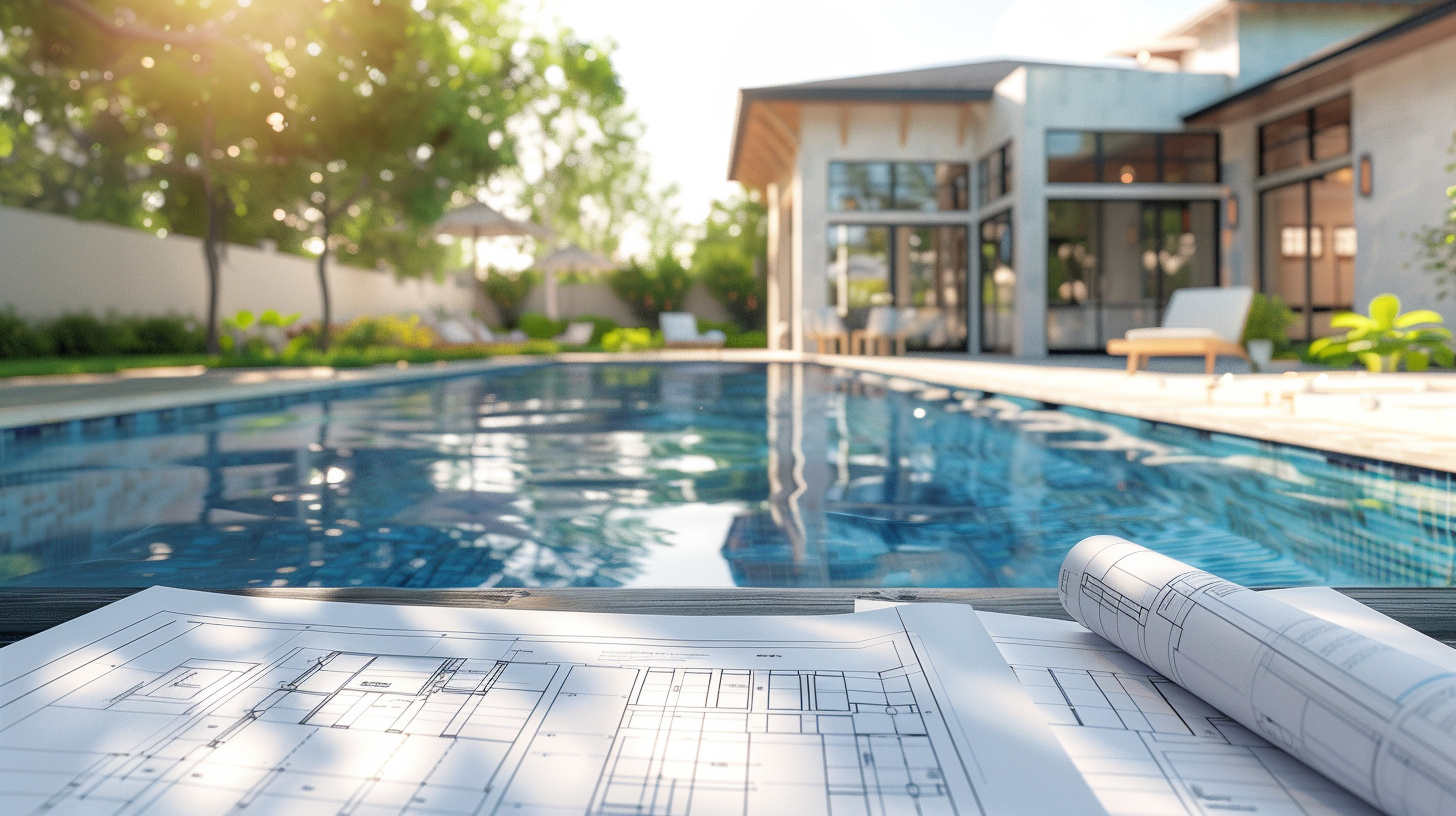
Many professional installers provide visual concepts or detailed layouts that help homeowners clearly understand how the finished pool will look and function before construction begins.
Step 3: Site Evaluation and Preparation
Proper site preparation is one of the most critical — and often overlooked — parts of pool installation. Before excavation starts, professionals conduct detailed evaluations to ensure the property can safely support the structure.
This stage typically includes:
- Soil and ground condition assessment
- Drainage and water flow analysis
- Identification of underground utilities
- Access planning for construction equipment
- Grading and preparation for excavation
Thorough preparation helps prevent structural shifting, water drainage issues, and long-term damage. Experienced installers understand how environmental factors influence construction and take proactive steps to protect the pool’s stability.
Excavation is then carefully planned and executed according to engineered specifications, ensuring accurate dimensions and a solid foundation for the next stages of construction.
Step 4: Permits, Engineering, and Compliance
Pool installation must meet local building regulations, safety standards, and zoning requirements. Navigating permits and inspections can be complex for homeowners, which is why professional installation companies manage this process as part of a complete service.
This phase includes:
- Preparing and submitting permit applications
- Coordinating required inspections
- Ensuring compliance with safety and construction codes
- Meeting fencing, electrical, and drainage regulations
Proper engineering and compliance protect homeowners from legal issues and ensure the pool is built according to approved safety standards. Working with professionals also helps prevent delays caused by missing documentation or failed inspections.
By handling these administrative and technical requirements, a full-service pool installation team allows homeowners to focus on design decisions and project excitement rather than paperwork and regulations.
Step 5: Pool Construction and Installation
Once planning, design, and approvals are complete, the construction phase begins. This is where professional craftsmanship and project management play a critical role in turning the approved design into a fully functional swimming pool.
The construction process typically follows several structured stages:
Excavation
The installation team carefully excavates the pool area according to engineered measurements. Precision at this stage ensures proper depth, alignment, and structural stability.
Structural Installation
Depending on the selected pool type, builders install the structural framework. Vinyl liner pools involve wall panel installation and base preparation, while gunite pools require reinforced steel framing followed by sprayed concrete application for maximum durability.
Plumbing and Electrical Systems
Professional installers integrate circulation lines, filtration connections, lighting systems, and electrical components. Proper installation ensures efficient water movement, safe operation, and reliable equipment performance.
Decking and Surrounding Features
After the pool shell is completed, surrounding elements such as decking, coping, and patio areas are installed. These features enhance safety, accessibility, and the overall appearance of the backyard space.
Throughout construction, experienced teams maintain strict quality control standards and communicate progress clearly, helping homeowners stay informed at every stage.
Step 6: Equipment Installation and System Testing
A modern swimming pool relies on advanced equipment to maintain clean water, efficient circulation, and comfortable swimming conditions. After structural construction is complete, technicians install and configure all operational systems.
This phase includes installing:
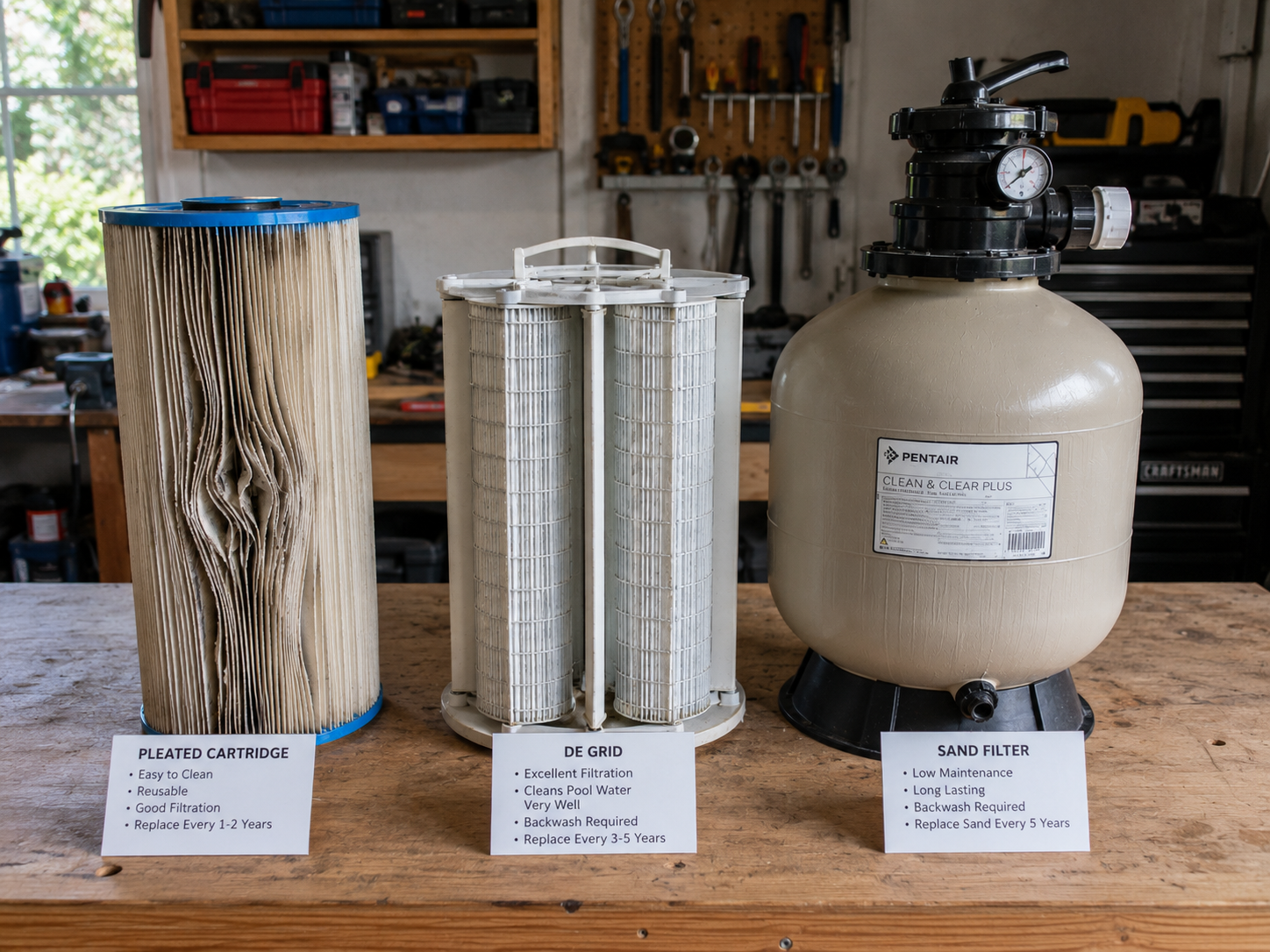
- Filtration and circulation systems
- Energy-efficient pumps
- Heating systems (if selected)
- Automation and control systems
- Water sanitation equipment
Once installation is finished, the entire system undergoes testing and calibration. Professionals verify water flow, pressure levels, filtration performance, and safety functions to ensure everything operates efficiently from day one.
Proper setup during this stage significantly reduces future maintenance issues and improves long-term operating efficiency.
Step 7: Final Inspection and Owner Walkthrough
Before the project is officially completed, a final inspection ensures that every component meets safety standards and construction requirements. This step confirms that the pool is fully operational and ready for use.
During the final walkthrough, homeowners typically receive:
- A complete system demonstration
- Instructions on operating equipment and controls
- Guidance on water care and maintenance basics
- Safety recommendations
- Maintenance scheduling information
This educational handoff is an important part of professional pool installation. It empowers homeowners to confidently manage their new pool while understanding how to protect their investment.
Benefits of Choosing a Full-Service Pool Installation Company
Working with a company that manages the entire process from design through final build provides significant advantages compared to coordinating multiple contractors.
Single Point of Accountability
One experienced team oversees every stage, reducing communication gaps and ensuring consistent quality.
Better Project Coordination
Design, engineering, and construction decisions remain aligned, preventing delays or costly revisions.
Higher Quality Control
Full-service providers maintain oversight throughout installation, ensuring standards are met at each phase.
Faster and More Predictable Timelines
Streamlined workflows allow projects to move efficiently without scheduling conflicts between separate vendors.
Long-Term Support
Companies that install pools often provide maintenance, repairs, and future upgrades, giving homeowners reliable ongoing service.
A comprehensive installation approach ultimately creates a smoother experience and delivers better long-term results.
Conclusion: From Vision to Reality with Professional Installation
A swimming pool is a major investment that should be handled with expertise, planning, and attention to detail. Complete pool installation solutions simplify the process by guiding homeowners from initial design concepts through construction and final system setup.
By choosing a professional team that manages every stage — consultation, design, permitting, construction, and final walkthrough — homeowners gain confidence that their pool is built safely, efficiently, and to the highest standards.
With the right installation partner, the journey from backyard idea to finished pool becomes an organized, stress-free experience that delivers lasting enjoyment and value for years to come.
Frequently Asked Questions (FAQs)
How long does a complete pool installation take?
Project timelines vary depending on pool type, design complexity, permitting requirements, and weather conditions. Most installations take several weeks to a few months from design approval to final completion.
What does “design-to-build” pool installation mean?
Design-to-build refers to a full-service approach where one company handles every phase of the project, including consultation, design, permits, construction, and final setup. This ensures consistency and smoother project management.
Do professional pool installers handle permits and inspections?
Yes. Full-service pool installation companies typically manage permit applications, inspections, and compliance with local building regulations, reducing stress for homeowners.
Can I customize my pool design?
Absolutely. Professional installers offer customizable options such as pool shape, depth, lighting, spas, water features, decking materials, and automation systems to match your lifestyle and outdoor space.
What happens after installation is complete?
After installation, homeowners receive a walkthrough explaining equipment operation, maintenance basics, and safety guidelines. Many companies also offer ongoing maintenance and seasonal services.
Is professional installation really necessary?
Yes. Pool construction involves structural engineering, plumbing, electrical systems, and regulatory compliance. Professional installation ensures safety, durability, and long-term performance while protecting your investment.