Signs Your Pool Needs Resurfacing: Expert Guidance for Hudson Valley Homeowners
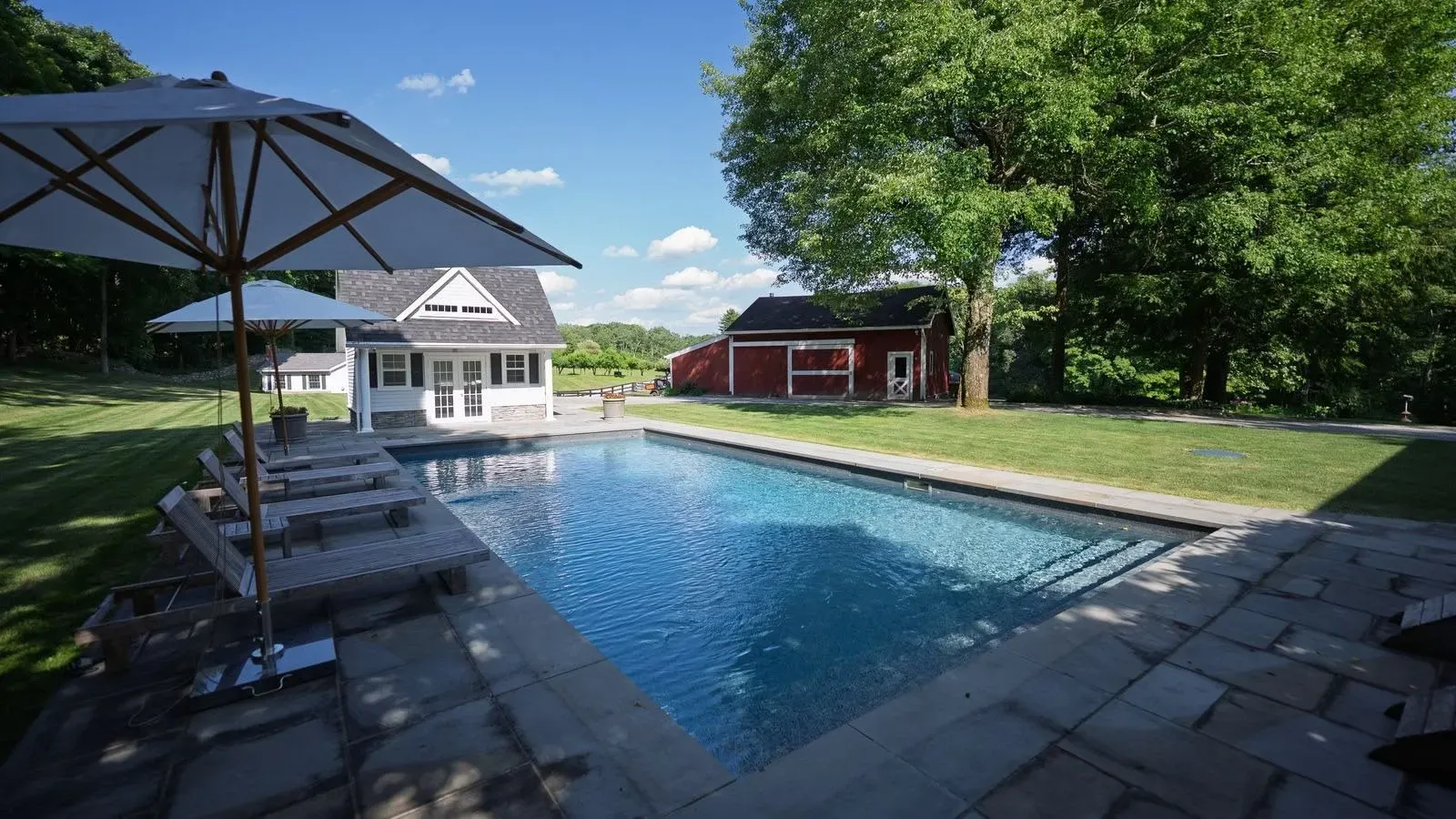
Regular maintenance keeps your pool safe and enjoyable, but surfaces wear with time. Hudson Valley homeowners should watch for signs that call for resurfacing. This article outlines common surface-damage indicators, the risks of ignoring them, and practical maintenance steps. With this information, you can make informed decisions about care and extend your pool’s service life.
What Are the Common Signs Indicating Your Pool Surface Needs Repair?
Spotting surface problems early protects your pool’s integrity and safety. Look for visible cracks, rough textures, discoloration, and peeling. These issues harm aesthetics and can lead to bigger structural or leak problems if unchecked. Inspect your pool regularly to catch issues before they escalate.
Aqua Jet Pools specializes in resurfacing and renovation. Addressing signs early helps you preserve a safe, attractive, and usable pool.
How Do Cracks and Roughness Signal Pool Plaster Damage?
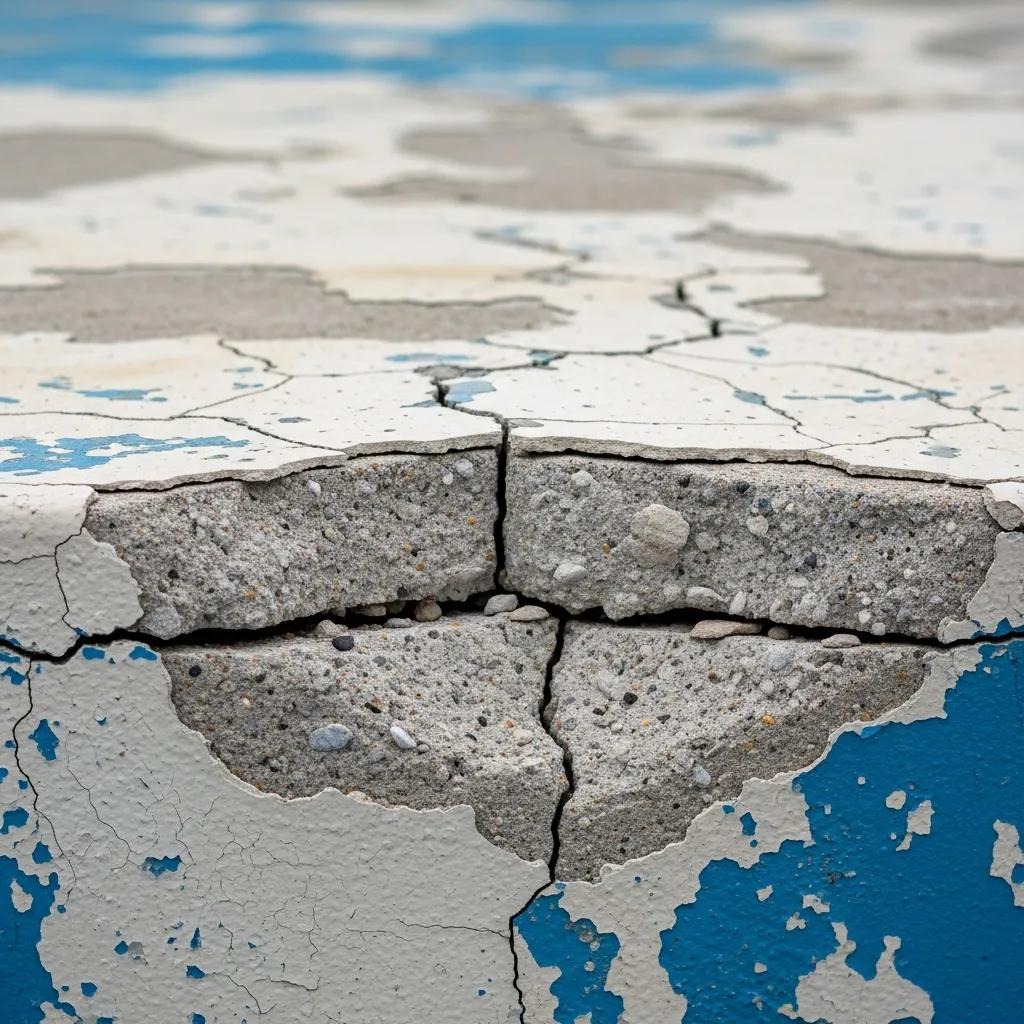
Cracks and rough spots usually indicate plaster damage. They can result from age, local weather, or maintenance issues. Cracks can lead to leaks and structural decline. Rough surfaces can also abrade swimmers and signal underlying deterioration.
Assess the crack type and depth. Small surface cracks may be repaired. Larger or deeper cracks typically need professional evaluation and resurfacing. Regular checks help keep the pool safe and functional.
Further insight into causes and manifestations of plaster deterioration underscores how complex these problems can be.
Swimming Pool Plaster Deterioration: Cracks, Softening & Debonding
Common forms of pool plaster deterioration include: (a) cracking from mechanisms such as shrinkage before water immersion, structural movement of the pool (for example, substrate settlement), or expansive chemical reactions within the substrate; (b) softening of plaster due to inferior materials or mix, improper placement temperatures or techniques, and interaction with aggressive pool water; (c) debonding of plaster from the substrate, or separation of one coat from its undercoat; (d) sporadic mottled or blotchy gray-hued abnormalities. SWIMMING POOL PLASTER DETERIORATION–OVERVIEW & CASE STUDIES
What Does Discoloration and Peeling Reveal About Pool Surface Condition?
Discoloration and peeling are clear signs of surface deterioration. They often stem from chemical imbalance, prolonged UV exposure, or inadequate maintenance. Fading or staining not only looks poor but may point to problems in the plaster or tile substrate.
Peeling exposes underlying materials to water and chemicals, raising the risk of leaks and structural damage. Homeowners should act promptly—adjust chemical levels, clean affected areas, and evaluate resurfacing options as needed.
Underlying moisture issues can also accelerate plaster degradation beyond what you see on the surface.
Water Damage & Microbial Growth: Plaster Degradation Indicators
Indicators of dampness and microbial growth include condensation, visible mold, a moldy odor, and a history of water damage, leakage, or penetration. Effect of water on the degradation of gypsum plaster coatings: Inspection, diagnosis, and repair, J De Brito, 2012
When Is the Right Time to Resurface Your Pool?
The right time depends on pool age and the extent of wear. If you observe multiple signs—cracks, discoloration, peeling—resurfacing is likely warranted. Many homeowners schedule work in the off-season to minimize disruption.
Plan resurfacing by assessing the pool and consulting a professional to identify the best approach. Routine maintenance can prolong a surface, but timely resurfacing ensures long-term durability.
How Does Hudson Valley Climate Affect Pool Surface Longevity?
Hudson Valley weather affects surface lifespan. Wide temperature swings, humidity, and UV exposure speed wear. Winter freeze-thaw cycles can cause cracking, while strong summer sun accelerates fading and breakdown.
Consider climate when planning maintenance and resurfacing. Use protective measures—covers in the off-season and consistent chemical management—to reduce the local climate’s impact on your pool surface.
What Are the Key Pool Renovation Signs to Watch For?
When it’s time to renovate, look for these primary signs:
- Structural Issues : Visible cracks or shifting in the pool structure can signal serious problems that require immediate attention.
- Aesthetic Concerns : Fading colors, stains, and peeling surfaces detract from the pool's visual appeal and may indicate underlying damage.
- Functional Problems : Issues such as leaks, poor water circulation, and ineffective filtration systems can compromise the pool's usability.
Early recognition of these signs helps homeowners plan effective renovations and maintain a safe, enjoyable pool.
How Much Does Pool Resurfacing Cost in Hudson Valley?
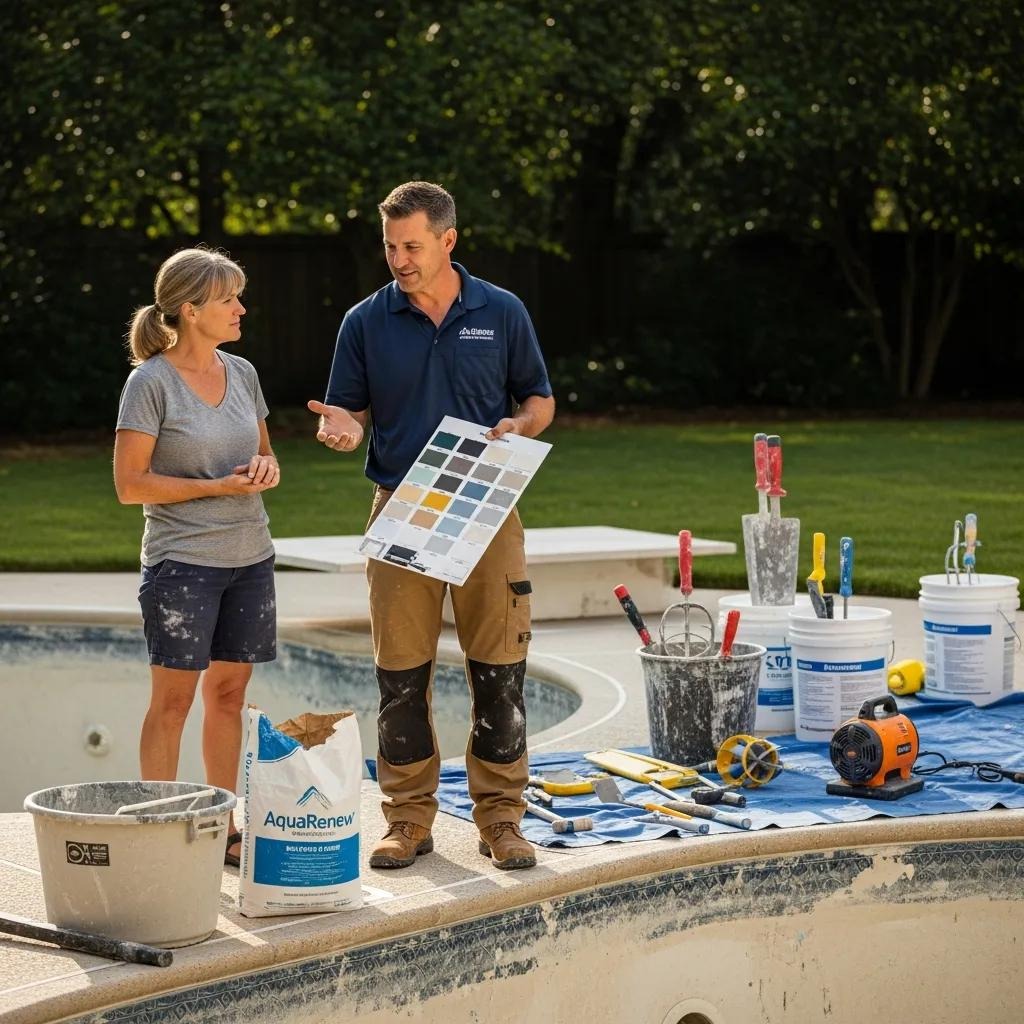
Resurfacing costs in the Hudson Valley vary with pool size, material choice, and damage extent. On average, homeowners can expect to pay between $3,000 and $7,000, depending on these variables.
Aqua Jet Pools provides competitive pricing and quality materials to restore your pool’s condition. Investing in resurfacing improves appearance and extends service life, making it a sound long-term choice.
What Factors Influence Pool Resurfacing Pricing?
Several factors affect resurfacing costs, including:
- Material Choices : Different resurfacing materials, such as plaster, pebble, or tile, come with varying costs and durability levels.
- Labor Costs : The complexity of the job and the expertise of the contractors can affect labor costs significantly.
- Pool Size : Larger pools will naturally incur higher costs due to the increased amount of materials and labor required.
Knowing these factors helps homeowners budget more accurately for resurfacing projects.
How to Budget Effectively for Pool Surface Repair?
Budgeting for pool surface repair involves clear steps:
- Assessing Current Condition : Evaluate the pool's current state to determine the extent of repairs needed.
- Researching Costs : Gather estimates from multiple contractors to understand the market rates for resurfacing.
- Setting Aside Contingency Funds : Allocate additional funds for unexpected repairs that may arise during the resurfacing process.
Following these steps helps homeowners prepare financially and avoid surprises during the project.
What Maintenance Practices Extend the Life of Your Resurfaced Pool?
To preserve a new surface, adopt targeted maintenance practices:
- Regular Cleaning : Keep the pool clean by removing debris and maintaining proper chemical balances.
- Routine Inspections : Regularly inspect the pool for signs of wear and tear, addressing any issues promptly.
- Proper Water Levels : Maintain appropriate water levels to prevent damage to the pool surface.
These routines help keep your pool in excellent condition and protect your investment over time.
Which Post-Resurfacing Care Steps Ensure Durability?
After resurfacing, follow specific care steps to protect the new finish:
- Initial Care : Allow the new surface to cure properly before using the pool, following the contractor's recommendations.
- Chemical Balancing : Maintain proper chemical levels to protect the new surface from damage.
- Avoiding Heavy Use : Limit heavy use of the pool for the first few weeks to allow the surface to settle.
Adhering to these steps maximizes the lifespan and performance of your resurfaced pool.
How Can Regular Pool Maintenance Prevent Early Surface Deterioration?
Regular maintenance is the best defence against early surface failure. Focus on these core practices:
- Routine Cleaning : Regularly skimming the surface and vacuuming the pool can prevent debris buildup that can damage the surface.
- Chemical Balancing : Maintaining proper pH and chlorine levels protects the pool surface from chemical damage.
- Seasonal Maintenance : Preparing the pool for seasonal changes, such as winterizing, can prevent damage from extreme weather conditions.
A consistent maintenance routine extends your pool’s surface life and improves your swimming experience.
Frequently Asked Questions
What are the benefits of resurfacing a pool?
Resurfacing restores appearance, improves safety, and extends service life. A new surface removes rough patches and cracks, reducing injury risk. It helps prevent leaks and structural issues, saving money over time. Modern materials can also improve water quality and reduce routine maintenance.
How long does a pool resurfacing project typically take?
Project duration varies by pool size, material choice, and damage level. Generally, resurfacing takes from a few days up to a week, including preparation, application, and curing. Consult your contractor for a project timeline tailored to your pool.
Can I use my pool immediately after resurfacing?
Do not use the pool immediately after resurfacing. Most contractors recommend waiting 7 to 14 days to allow the surface to cure. Proper chemical management during this period is also essential. Always follow your contractor’s specific instructions.
What types of materials are commonly used for pool resurfacing?
Common resurfacing materials include plaster, pebble, and tile. Plaster offers a smooth, cost-effective finish. Pebble provides a textured, durable surface. Tile delivers long-term aesthetics and durability but typically costs more. Choose based on budget, appearance, and maintenance needs.
How can I tell if my pool needs resurfacing?
Signs you may need resurfacing include visible cracks, rough textures, discoloration, and peeling. Address these promptly to prevent further damage. Frequent leaks or increasing maintenance needs can also indicate the need for resurfacing. A professional inspection will confirm the condition.
What should I do to prepare my pool for resurfacing?
Prepare the pool by draining and cleaning it to remove debris and contaminants. Inspect the structure for underlying issues that must be fixed before resurfacing. Discuss any contractor-recommended preparations, such as adjusting chemical levels or scheduling work for a suitable season. Proper preparation supports a successful outcome.
Conclusion
Recognizing resurfacing signs is essential to protect safety and value. Address cracks, discoloration, and peeling promptly to avoid costly repairs and extend pool life. Consider local climate impacts and maintain a regular care routine. For professional advice and quality resurfacing, contact Aqua Jet Pools today.