How Much Does Pool Cleaning Cost: Comprehensive Guide to Pool Cleaning Prices and Service Rates

Knowing what pool cleaning costs lets homeowners plan maintenance and protect their investment. This guide explains the main factors that affect pricing in the Hudson Valley, outlines average costs and common service packages, and shows how conditions and service levels influence overall expenses. With clear figures and practical detail, you can budget and choose the right cleaning solution.
What Are the Average Costs to Clean a Pool in Hudson Valley?
In the Hudson Valley, per-visit cleaning typically runs between $100 and $250 depending on service level. Pool size, type and condition significantly affect pricing. Standard cleanings may start at about $100, while comprehensive seasonal programs can total around $3,500 per year. Use these averages to plan your maintenance budget.
Typical Price Ranges for Routine Pool Cleaning Services
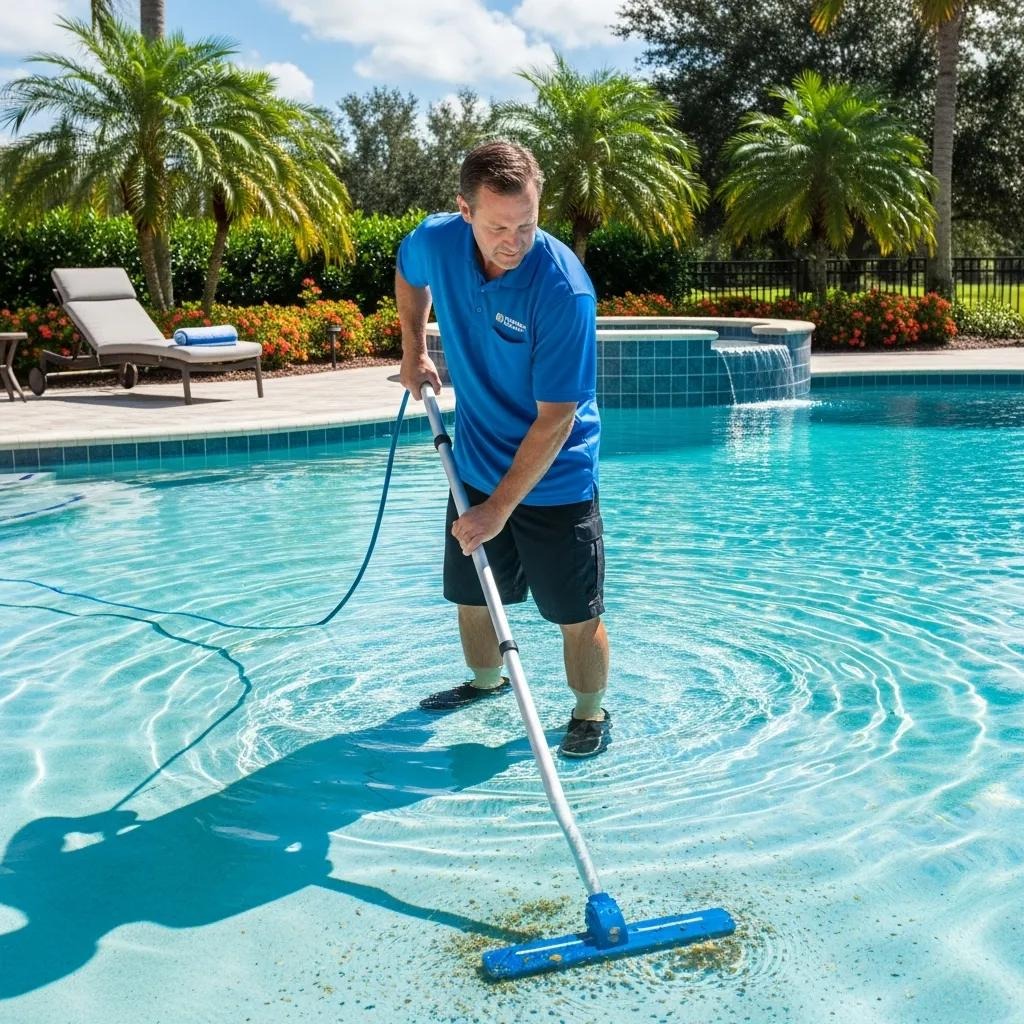
Routine pool cleaning prices depend on the tasks included. Below is a concise breakdown of typical service costs:
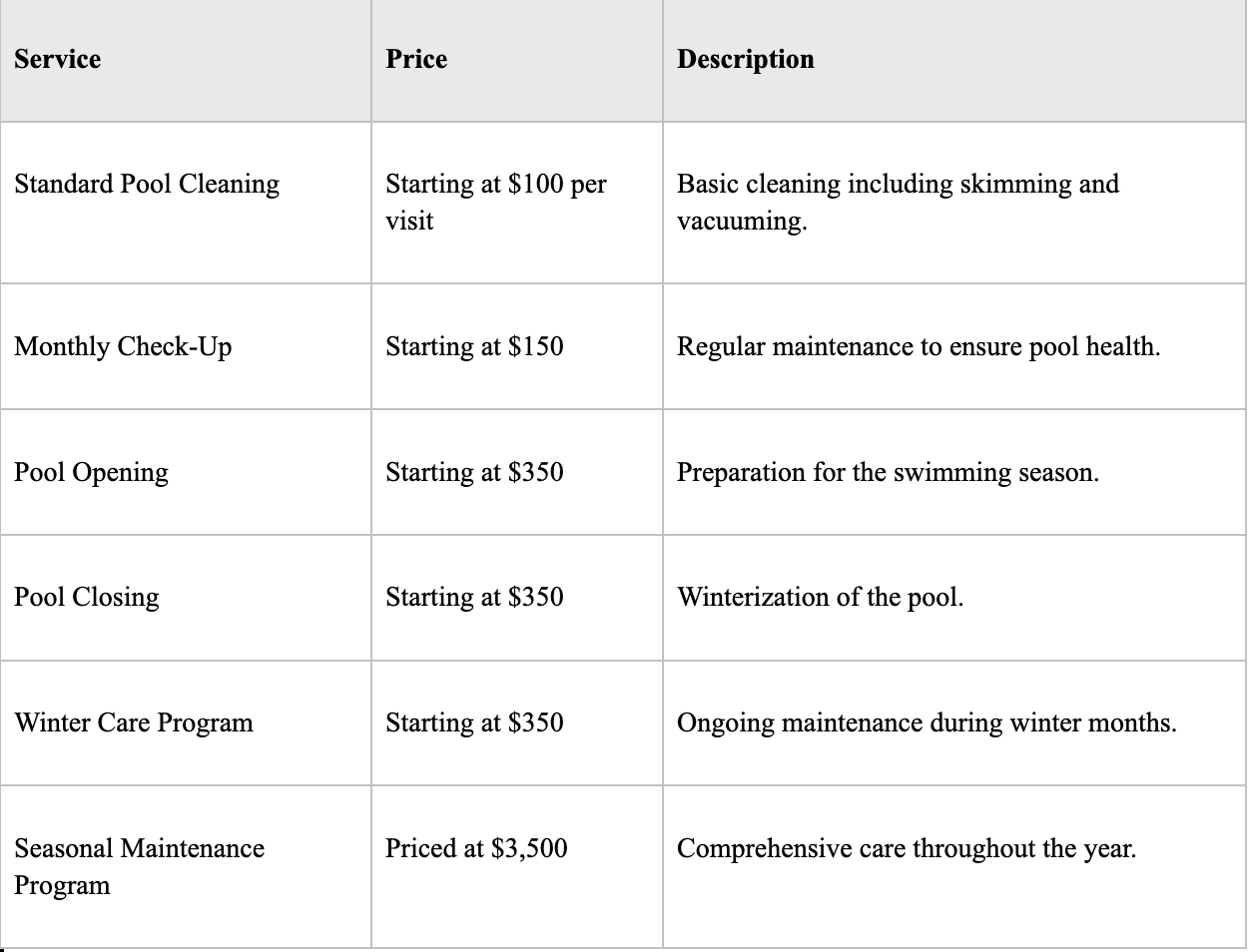
These figures represent typical Hudson Valley offerings; actual rates will vary by provider and scope of work.
How Regional Factors Influence Pool Maintenance Costs
Regional conditions strongly influence maintenance needs and pricing. The Hudson Valley climate affects how often you need service: harsh winters increase winterization work, while warmer periods raise the frequency of debris and algae control. Local provider availability and demand also influence rates.
Which Factors Affect Pool Cleaning Prices?
Several primary factors determine pool cleaning prices:
External research also indicates multiple elements contribute to the total expense of residential maintenance.
Factors Affecting Residential Building Maintenance Costs
Research on facility maintenance priorities shows they influence maintenance costs, and other factors also contribute. Optimizing maintenance cost by prioritizing facility services in residential buildings, CP Au-Yong, 2019
- Pool Size and Type : Larger pools or those with complex designs may incur higher cleaning costs.
- Condition of the Pool : Pools that have not been maintained regularly may require more intensive cleaning, increasing costs.
- Frequency of Service : Regularly scheduled cleanings can be more cost-effective than infrequent, intensive cleanings.
Understanding these variables helps homeowners forecast maintenance expenses more accurately.
Impact of Pool Size and Type on Cleaning Costs
Pool size and type directly affect cleaning effort and cost. In-ground pools typically need more service than above-ground pools because of their larger systems. Complex shapes and additional features increase cleaning time, so factor these elements into your budget.
Role of Cleaning Frequency and Service Packages
Cleaning frequency has a clear cost impact. Weekly service often lowers per-visit costs and keeps pools consistently healthy. Monthly or bi-weekly service may suit low-use pools. Service packages with regular maintenance can provide measurable savings over time while keeping equipment in good condition.
What Do Pool Cleaning Services Include?
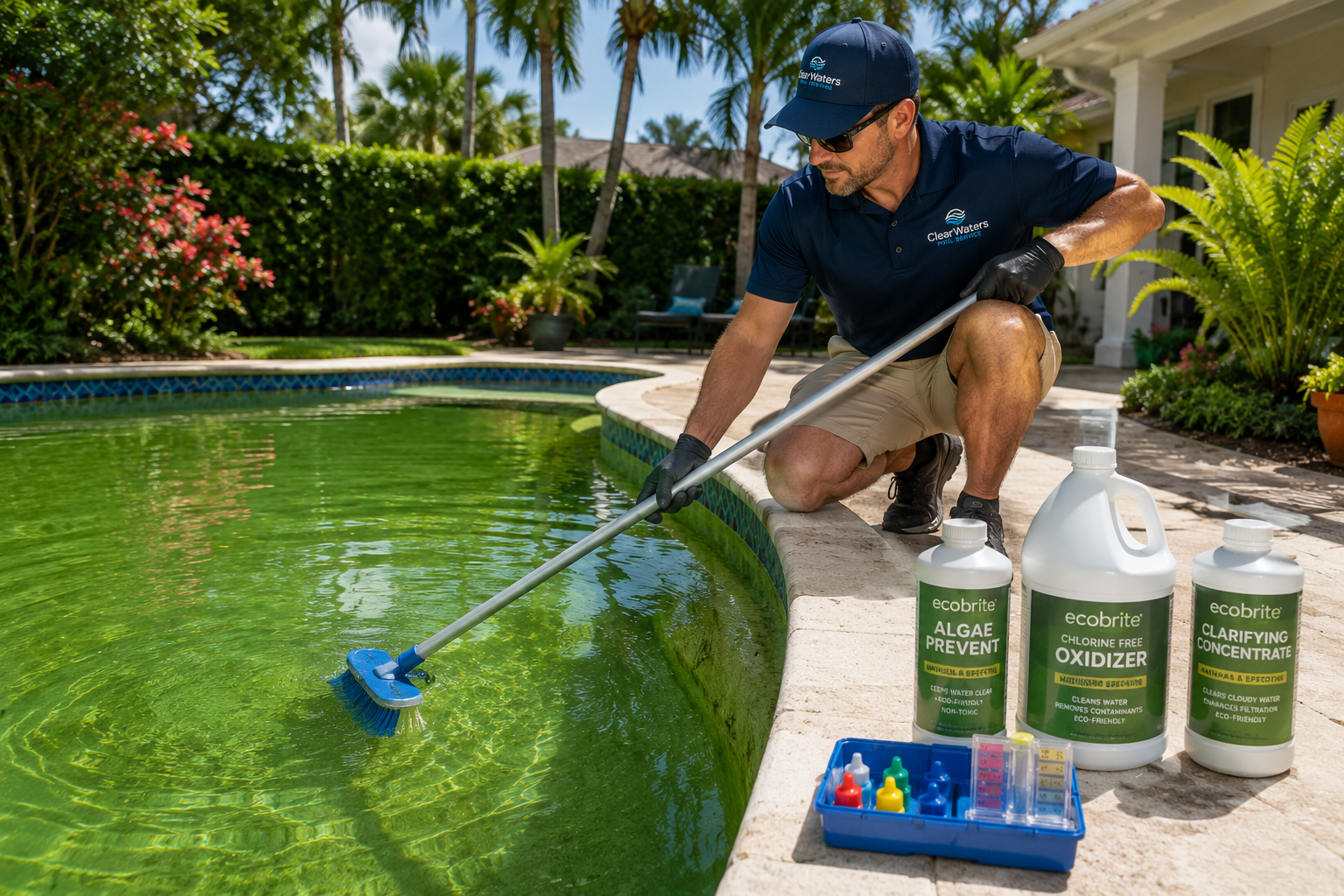
Typical pool cleaning covers a set of core tasks to maintain water quality and equipment health. Common items include:
- Skimming Debris : Removing leaves and debris from the water surface.
- Vacuuming : Cleaning the pool floor to eliminate dirt and algae.
- Chemical Balancing : Ensuring proper chemical levels for safe swimming.
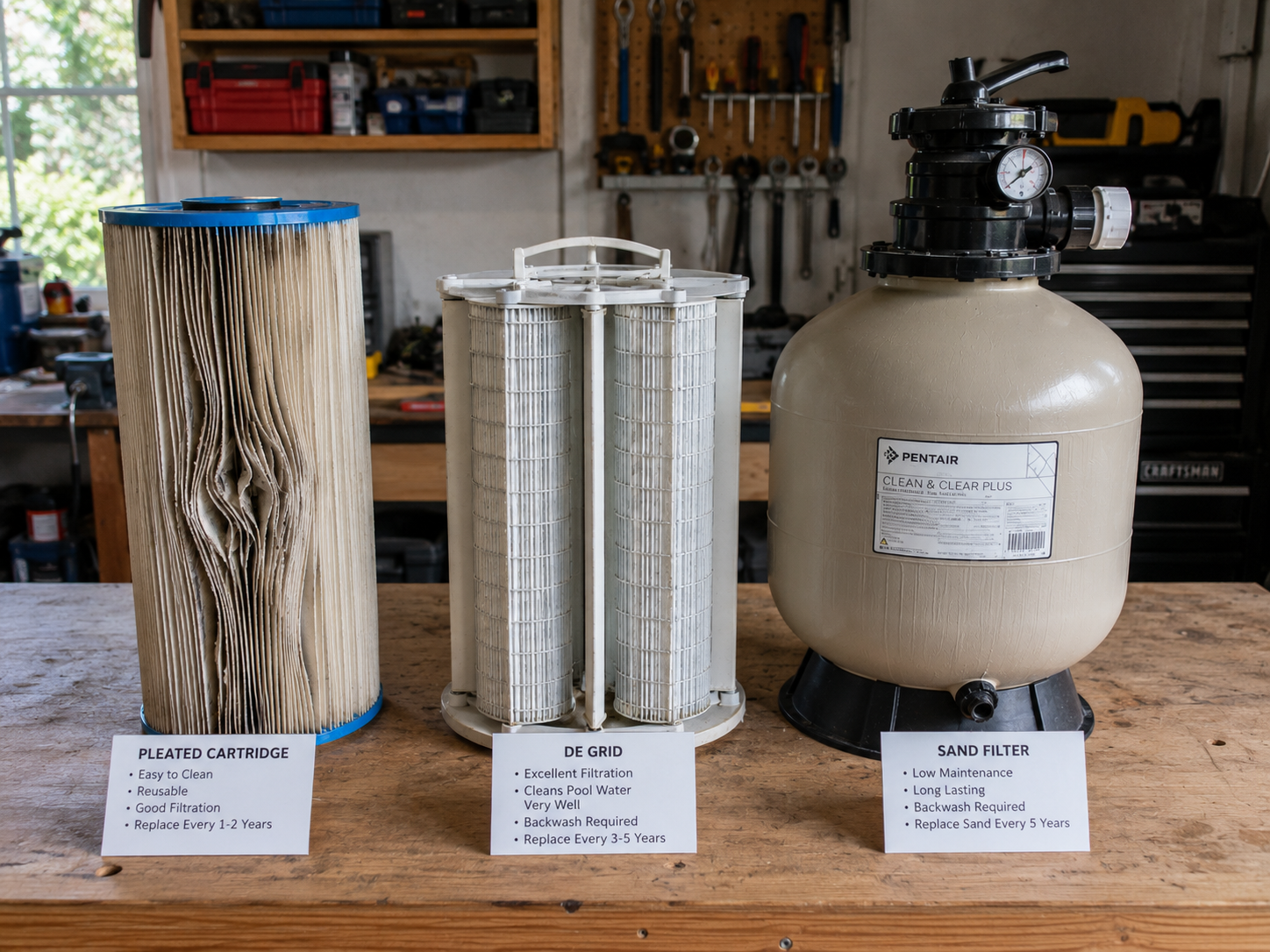
- Filter Inspection : Checking and maintaining the pool's filtration system.
These core tasks keep the pool clean, safe to use, and help protect equipment longevity.
Chemical Balancing and Equipment Maintenance Explained
Chemical balancing is essential for swimmer safety and equipment protection. It involves testing and adjusting chlorine, pH and alkalinity. Maintaining correct chemistry helps extend equipment life. Regular filter inspections and pump checks reduce the risk of costly repairs and keep systems running efficiently.
Optimizing pumping and chlorination systems can yield meaningful energy and cost savings for residential pools.
Cost Optimization for Residential Pool Pumping & Chlorination
Residential swimming pool systems were studied for energy and cost savings; findings examine chlorinators and pressure-driven components. Whole system energy and cost optimization of residential swimming pool pumping systems, 2019
Seasonal Services: Pool Opening and Closing Costs
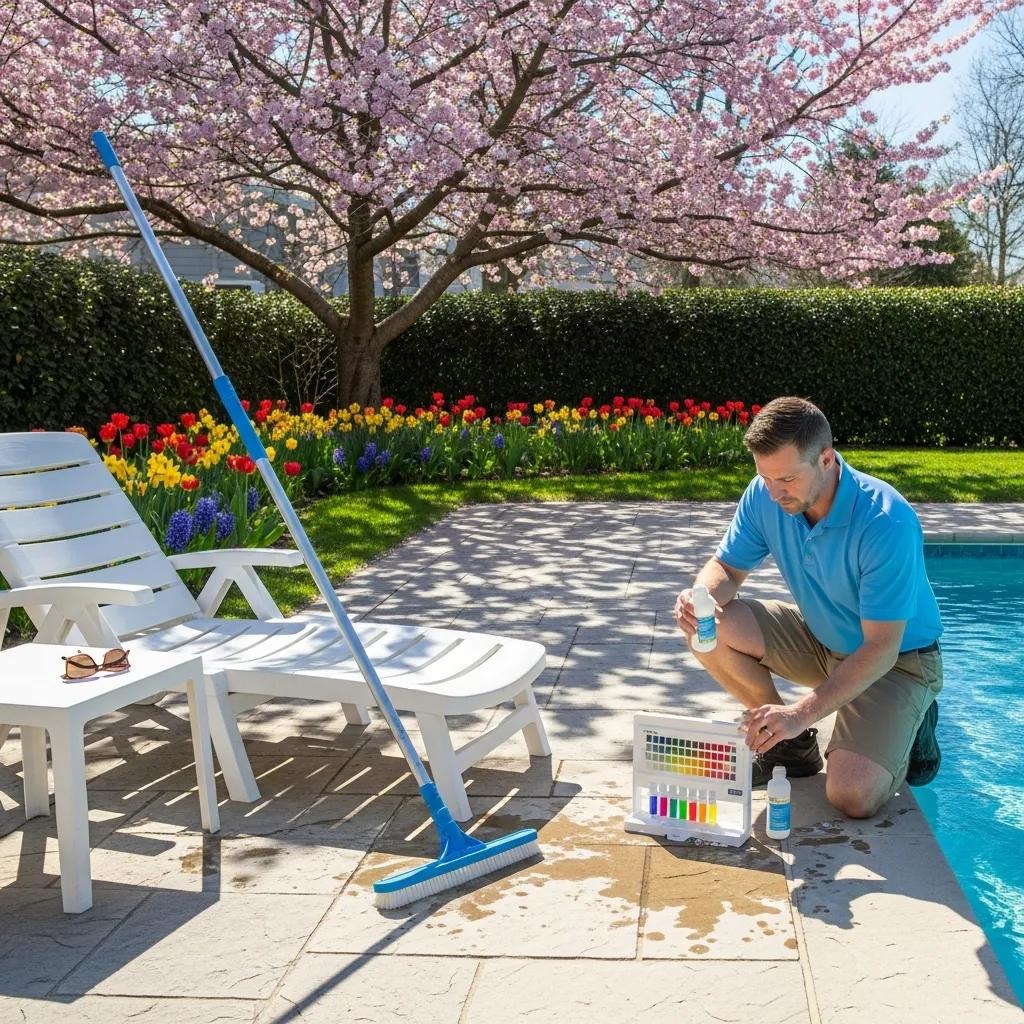
Seasonal services such as pool opening and closing protect pool integrity year-round. In the Hudson Valley, these services commonly start at $350 each. Pool opening readies the pool for the season with cleaning, chemical balancing and equipment checks, while pool closing focuses on winterizing to guard against freezing. Knowing these costs helps with seasonal planning.
How Can You Choose the Right Pool Cleaning Service Rate?
Choose a provider by comparing services, reputation and total cost. Confirm the offer matches your pool's needs and budget. Local expertise brings insight into Hudson Valley conditions and helps ensure reliable, effective service.
Comparing Weekly vs Monthly Cleaning Costs
Compare cleaning schedules by assessing pool use and maintenance needs. Weekly service offers more thorough upkeep for heavily used pools; monthly service can be adequate for pools with light use. Review long-term costs and benefits to select the best option.
Benefits of Local Expertise and Reliable Service Providers
Local providers understand regional climate patterns and common maintenance challenges in the Hudson Valley. They typically deliver more personalised support and quicker response times. Choosing a reliable local company gives homeowners confidence that their pool is well cared for.
Frequently Asked Questions
What should I look for when hiring a pool cleaning service?
Look for experience, strong customer reviews and a solid reputation. Verify the company is licensed and insured. Ask which services are included and whether they offer customised packages. Expect transparent pricing and clear information on emergency response and availability.
How often should I have my pool cleaned?
Frequency depends on pool usage, local climate and surroundings. Heavily used pools usually need weekly cleaning. Less-used pools in low-debris areas may be fine with bi-weekly or monthly service. Regular maintenance prevents costly repairs and keeps the pool safe.
Are there any DIY pool cleaning tips I can follow?
Yes. Regularly skim the surface and vacuum the floor. Test and balance pH, chlorine and alkalinity weekly. Clean skimmer and pump baskets to maintain circulation. These tasks reduce the workload for professionals and help control costs.
What are the signs that my pool needs cleaning?
Cloudy water, visible surface debris, algae on walls or floor, unpleasant odour or persistent chemical imbalance all indicate a need for cleaning. Regular visual checks and testing help you know when to schedule professional service.
How can I save money on pool cleaning services?
Save by booking regular cleanings instead of occasional intensive visits, asking about package discounts or long-term contracts, doing basic upkeep yourself, and comparing quotes from multiple providers to find the best value.
What should I do if my pool cleaning service is unsatisfactory?
If service falls short, raise your concerns with the provider first and request remediation. Document issues and follow customer-service channels if needed. If problems continue, seek other providers by checking reviews and asking for recommendations.
Conclusion
Understanding pool cleaning costs helps homeowners make informed maintenance decisions. By factoring service frequency, regional conditions and your pool's specific needs, you can budget effectively for a safe, well-maintained pool. Choosing a reliable local provider ensures personalised care that protects your investment and keeps your pool in top condition.